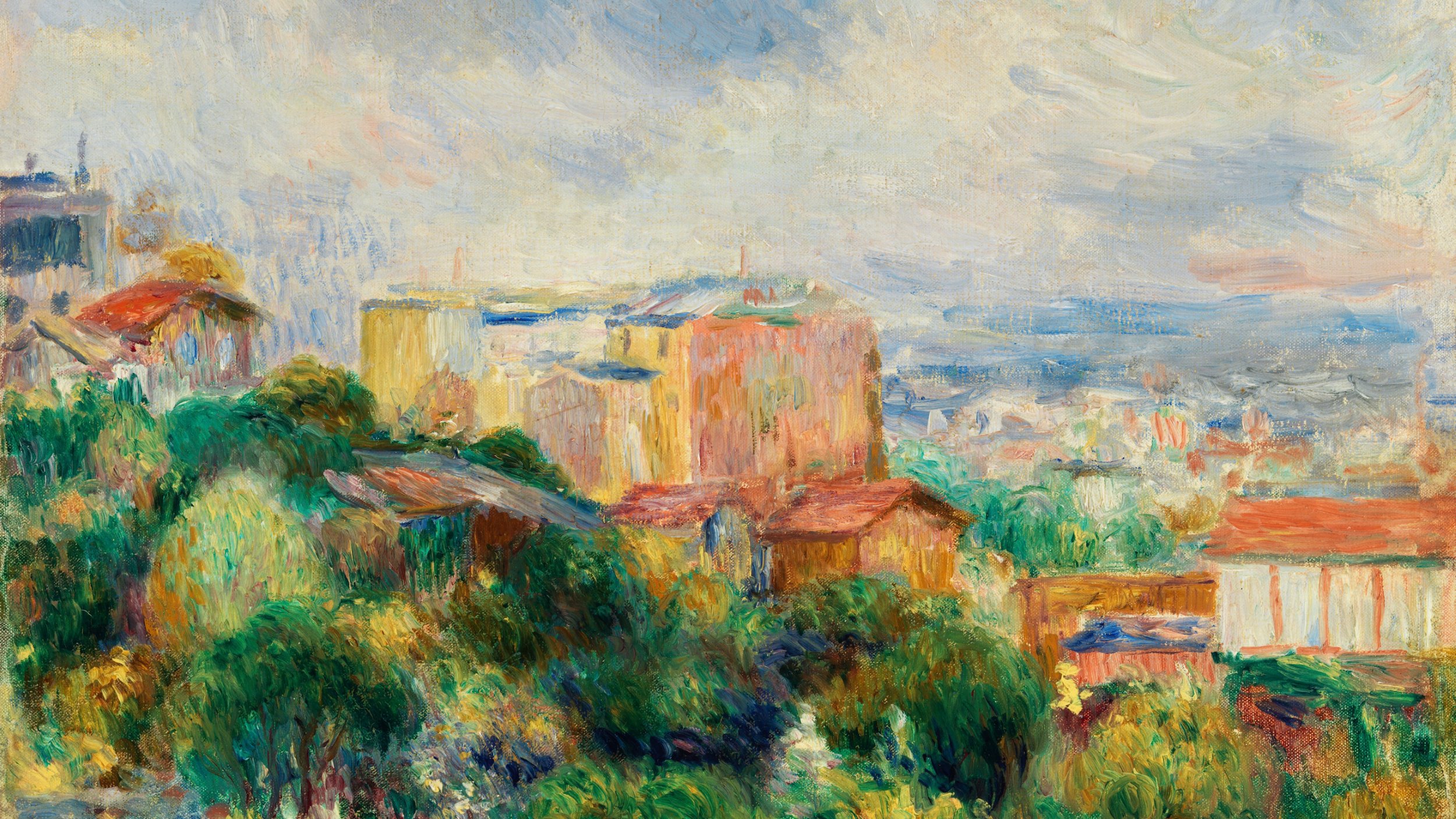
Turn Your Artwork Into Prints That Feel Like the Original.
Practical art printing guides for artists and illustrators. Explore how to digitize your artwork, choose paper, refine color, and prepare reproductions to share or sell.
Your Artwork, From Studio to Print
You know what makes your original work special: the softness of a wash, the weight of a line, or the balance between color and white space. Making art prints brings a new set of decisions. How should you capture the original? Which paper suits it? What needs checking before you order a batch?
Art Prints Plus helps you work through those choices. Our focus is the journey from original artwork to a physical reproduction, with practical guidance for artists, illustrators, and small creative shops.
Start With the Stage You’re At
Capture Your Original
Start with scanning or photographing your artwork. Consider detail, lighting, resolution, and the print sizes you want to offer.
Explore capture and digitization
Shape the Finished Print
Work through paper, surface texture, color, borders, and sizing. Decide what the reproduction should look and feel like in someone’s hands.
Explore paper and reproduction
Prepare to Share or Sell
Plan editions, presentation, and packaging. Think through the experience from choosing a print to opening it when it arrives.
Latest Art Printing Guides
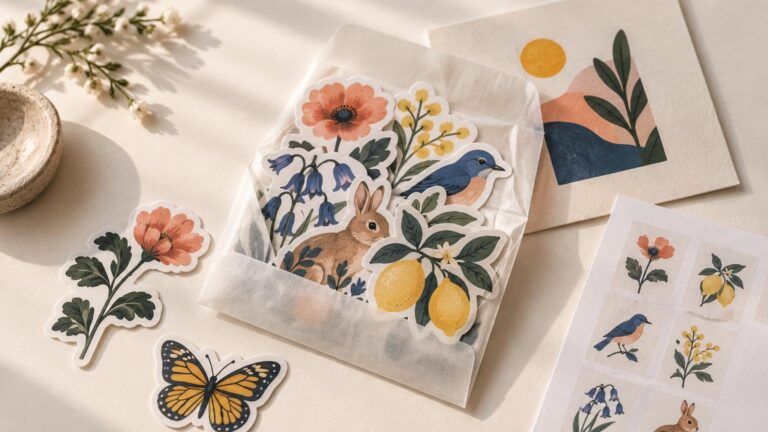
How to Turn Your Illustrations Into Sticker Packs You Can Sell
A practical artist-to-product workflow for turning illustrations into cohesive, print-ready sticker packs with thoughtful packaging and sensible pricing.
Read more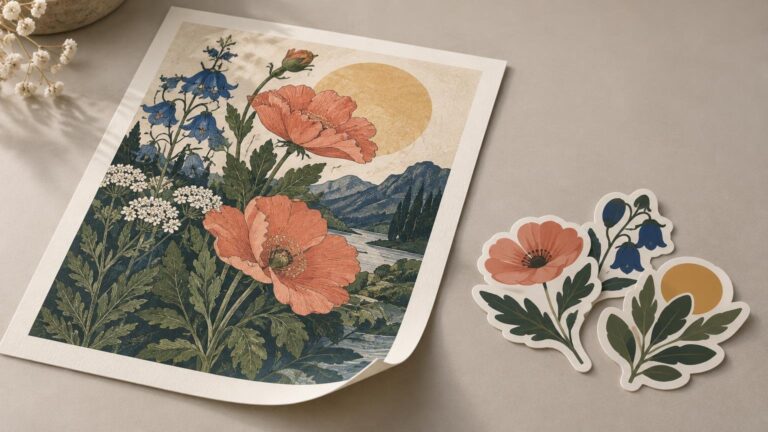
Art Prints vs Art Stickers: Which Products Make Sense for Artist Merch?
Choose art prints for detail, scale, and wall display; choose stickers for bold designs that remain clear at a small size. This guide helps…
Read more
Open Edition vs Limited Edition Prints: What Changes for the Artist?
Open editions remain available without a stated production cap, while limited editions have a fixed maximum quantity. Learn how that choice affects availability, documentation,…
Read moreDigitizing Artwork With the Finished Print in Mind
The print starts with the file. Our capture and digitization coverage explores scanning versus photographing artwork, planning resolution for different print sizes, and preparing a digital master. Whether you’re reproducing a small drawing or a larger painting, the aim is to keep the details that give the work its character.
Choosing Paper and Refining the Reproduction
Paper is part of how a print is experienced. A smooth surface, a textured sheet, or a different finish can give the same image a different presence. Our paper and media coverage helps you compare those choices, understand fine art printing terminology, and decide what to look for in a sample.
Color and composition deserve their own attention. We explore matching a reproduction to the original artwork, choosing print sizes, deciding on white borders, and reviewing a proof. The useful question is always the same: does this version still feel like your work?
Planning Editions and Selling Art Prints
Turning an artwork into a product means deciding how it will be offered. Our editions and selling coverage looks at open and limited editions, print sizes, presentation, and the practical choices behind a small print collection. Start with an offer you can describe clearly, then build a repeatable process around it.
Packaging Prints for the Journey
The workflow continues after printing. Packaging and shipping coverage explores how to protect the surface, support the sheet, and choose between flat and rolled presentation. These decisions belong alongside your paper and size choices, so you can plan how the finished print will reach its next home.
Art Printing FAQs
How do I turn original artwork into art prints?
Start by creating a digital file of the original, then choose the print size, paper, and printing method. Review a physical proof before committing to a batch. Breaking the process into capture, reproduction, and presentation makes each decision easier to manage.
Should I scan or photograph artwork for printing?
Consider the size, surface, and condition of the original. A flatbed scanner is an option for suitable flat work that fits safely on the scanning bed. Photographing is an alternative for larger pieces or artwork that should not be placed against glass.
How do I choose paper for fine art prints?
Compare surface texture, finish, paper tone, and compatibility with your printing process. Try samples with your own image before choosing. Look at both the reproduction and the feel of the sheet, because the paper becomes part of the finished work.
What resolution do I need to print my artwork?
The required image resolution depends on the final print dimensions and your printer’s file requirements. Plan around the largest size you want to offer and check the file at that size. Enlarging a file changes the amount of image detail available per inch.
What should I check in an art print proof?
Compare it with the original and inspect color, fine detail, crop, borders, and paper appearance. Check the actual size you intend to sell. A physical proof lets you review the image and its presentation together before approving a larger run.
What is the difference between open and limited edition art prints?
An open edition has no fixed total quantity. A limited edition has a stated maximum number of prints. When planning a limited edition, define what the limit covers, including sizes or variations, and keep consistent records of the prints you release.